
5 Must-Have Fresh Produce Items You Should Always Keep at Home
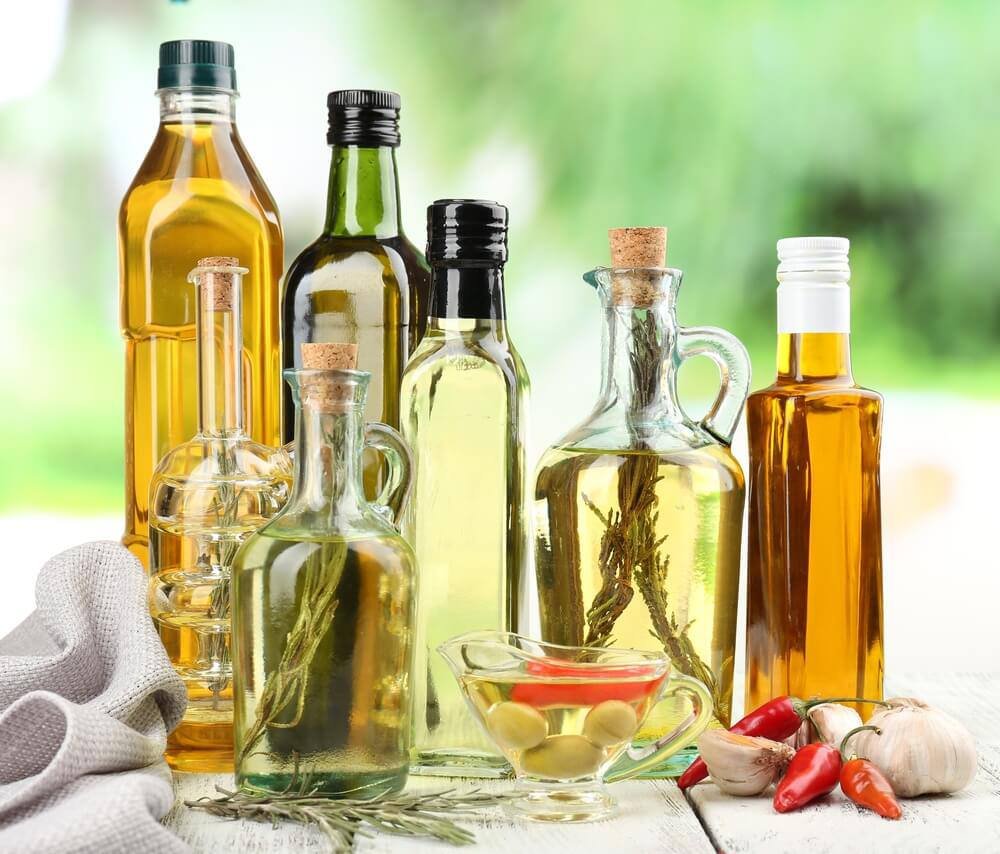
Olive Oil Essentials for Your Kitchen
Keeping olive oil staples at home isn’t just about cooking — it’s about flavor, health, and convenience. Swap the fruit-and-veg checklist for these five olive‑oil essentials from Golden Olive to make everyday meals faster, tastier, and more nutritious.
1. Extra Virgin Olive Oil — The Everyday Finisher
Why keep it: Highest flavor and antioxidant content; ideal for raw use. How to use: Drizzle over salads, finish roasted vegetables, blend into dressings, or dip with bread. Pairings: Brightens tomatoes, leafy greens, and grilled vegetables.
2. Cold‑Pressed Olive Oil — Aromatic and Nutrient‑Rich
Why keep it: Extracted without heat to preserve delicate aromas and nutrients. How to use: Use in vinaigrettes, to finish soups, or in recipes where a fresh, floral note matters. Pairings: Complements spinach, fresh herbs, and mild cheeses.
3. Refined Olive Oil — Reliable for High‑Heat Cooking
Why keep it: Higher smoke point and neutral flavor for frying and sautéing. How to use: Ideal for stir‑fries, pan‑searing, and everyday cooking where you want stability without strong taste. Pairings: Great for roasting root vegetables and quick skillet meals.
4. Infused Olive Oil — Instant Flavor Boost
Why keep it: Adds garlic, chili, lemon, or herb notes without extra prep. How to use: Drizzle on pizza, mix into marinades, toss with roasted carrots, or finish grilled fruit. Pairings: Elevates simple dishes like roasted apples, steamed greens, and grilled bread.
5. Olive Oil Spray or Light Olive Oil — Convenience and Control
Why keep it: Even coverage and portion control for low‑fat cooking and baking. How to use: Prep pans, coat sheet pans, or lightly dress salads and snacks. Pairings: Perfect for sheet‑pan dinners, quick snacks, and baking where a subtle oil presence is needed.
Storage and Freshness Tips
Check aroma and taste — fresh oil smells grassy or fruity and tastes clean; discard if rancid.
Protect from light and heat to slow oxidation.
Use dark bottles or tins for extra virgin and cold‑pressed oils.
Rotate stock so older bottles are used first.